What Is a Periosteal Elevator Used For?
Wiki Article
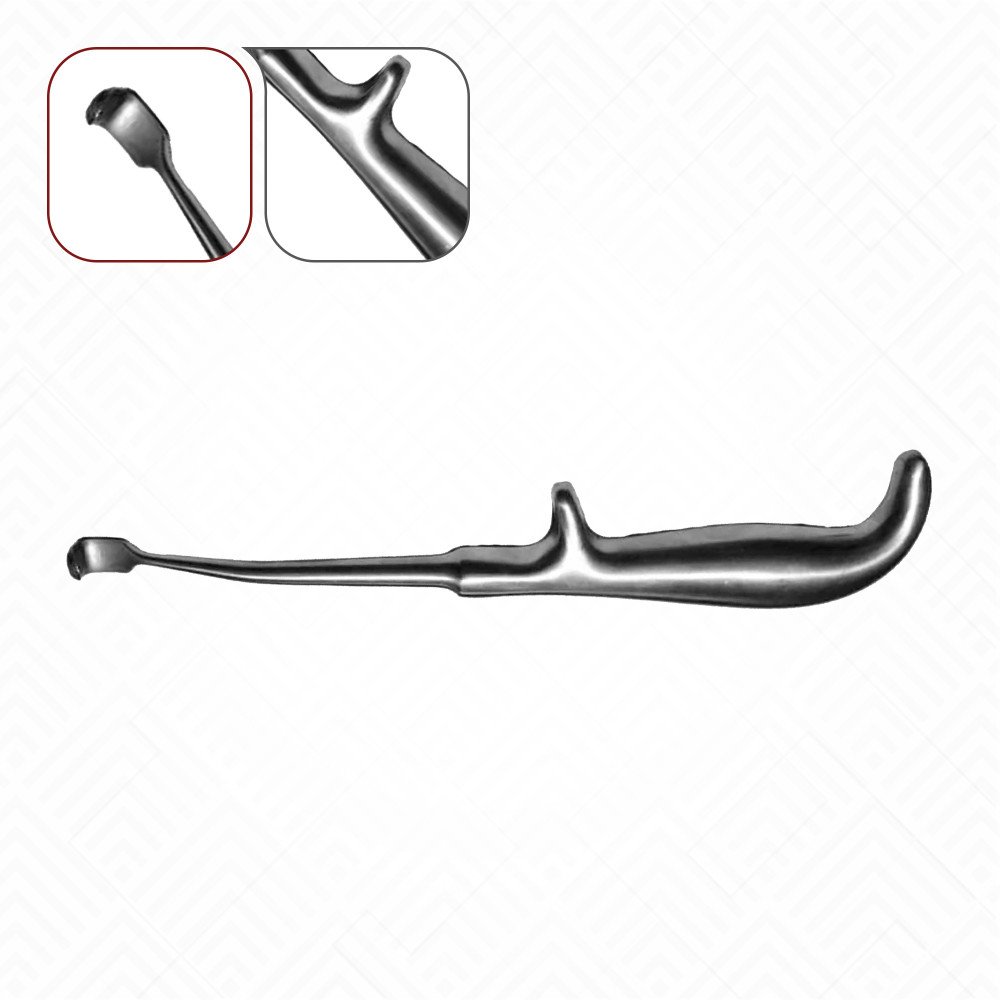
In the intricate world of surgery, precision and reliability are not just goals; they are absolute necessities. Every instrument in a surgeon's toolkit plays a specific and critical role in achieving successful patient outcomes. Among these essential tools is the periosteal elevator, a specialized instrument designed for delicate yet firm tissue manipulation. Its primary function is to lift, separate, and dissect the periosteum—the dense membrane that covers the surface of bones—from the underlying bone structure, a vital step in many orthopedic, dental, and neurosurgical procedures.
The Design and Functionality
A periosteal elevator is meticulously crafted to balance sharpness with safety. It typically features a handle for a secure grip and a working end that can be sharp, semi-sharp, or blunt, depending on its specific application. The design allows surgeons to apply controlled pressure to carefully separate the tough periosteal layer without causing unnecessary trauma to the bone or surrounding soft tissues. This precise separation is fundamental for gaining access to the bone for procedures such as fracture repair, implant placement, and bone grafting.
Applications Across Surgical Specialties
The versatility of the periosteal elevator makes it indispensable across numerous medical fields. In oral and maxillofacial surgery, it is a staple for preparing sites for dental implants and performing tooth extractions. Orthopedic surgeons rely on it to expose bone during joint replacement surgeries and to manage complex fractures. Neurosurgeons also utilize specialized versions of this instrument during craniotomies to carefully peel back the periosteum from the skull before creating a bone flap. The ability to create a clean, atraumatic separation is key to promoting faster healing and reducing postoperative complications.
Variations of the Periosteal Elevator
Not all procedures are the same, and therefore, not all elevators are designed alike. Instrument makers have developed a wide array of periosteal elevators to meet the diverse needs of surgeons. Popular designs include the Molt, Freer, Howarth, and Obwegeser elevators, each with unique tip shapes and sizes. For instance, a Freer elevator has a double-ended design with sharp and blunt ends, making it highly versatile for both delicate dissection and robust elevation. This variety ensures that surgeons can select the perfect instrument for the specific anatomical location and surgical task at hand.
The Importance of Quality and Precision
The effectiveness of any surgical procedure is directly linked to the quality of the instruments used. A poorly manufactured periosteal elevator can lead to tissue damage, incomplete periosteal lifting, or even instrument failure at a critical moment. This is why choosing a high-quality instrument is paramount for any healthcare professional. The material, craftsmanship, and ergonomic design all contribute to an instrument's performance and, ultimately, to the safety and well-being of the patient. A superior elevator provides the tactile feedback and control a surgeon needs to perform with confidence.
New Med Instruments: A Commitment to Excellence
At New Med Instruments, we understand the critical importance of every tool in the operating room. Our commitment is to provide quality surgical instruments and superior service to surgeons, students, and healthcare professionals all over the world. We know that these professionals value perfect and precise results for their patients, which is why we engineer every periosteal elevator and instrument to the highest standards of quality and reliability. By partnering with us, medical professionals can trust that they are equipped with tools designed for optimal performance, ensuring they can deliver the best possible care.
Conclusion: An Essential Tool for Modern Surgery
The dental elevator is far more than a simple surgical tool; it is a vital component in a wide range of medical procedures that require precise bone access. Its role in separating the periosteum is foundational for many successful surgical outcomes, from dental implants to complex orthopedic repairs. As surgical techniques continue to advance, the demand for high-quality, specialized instruments will only grow. For medical professionals dedicated to achieving excellence, sourcing instruments from a trusted provider like New Med Instruments ensures they have the reliable tools needed to meet the challenges of modern surgery.